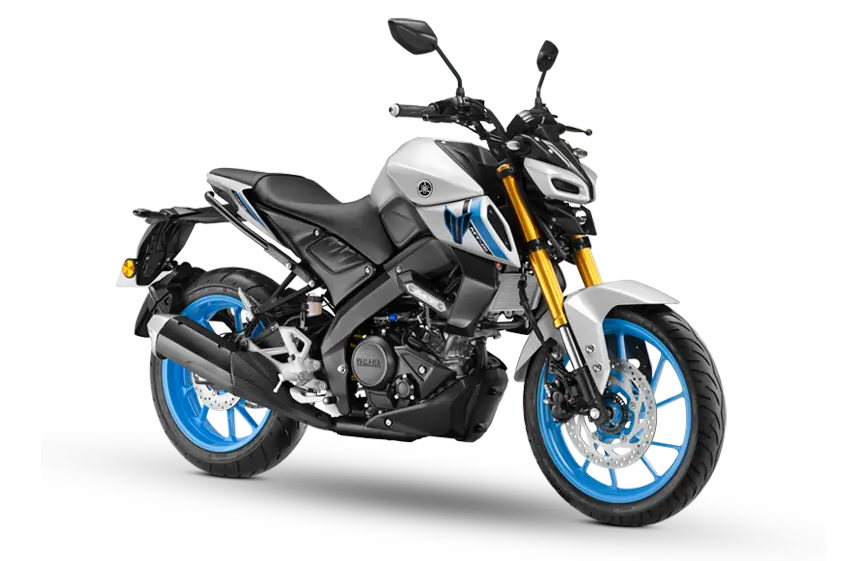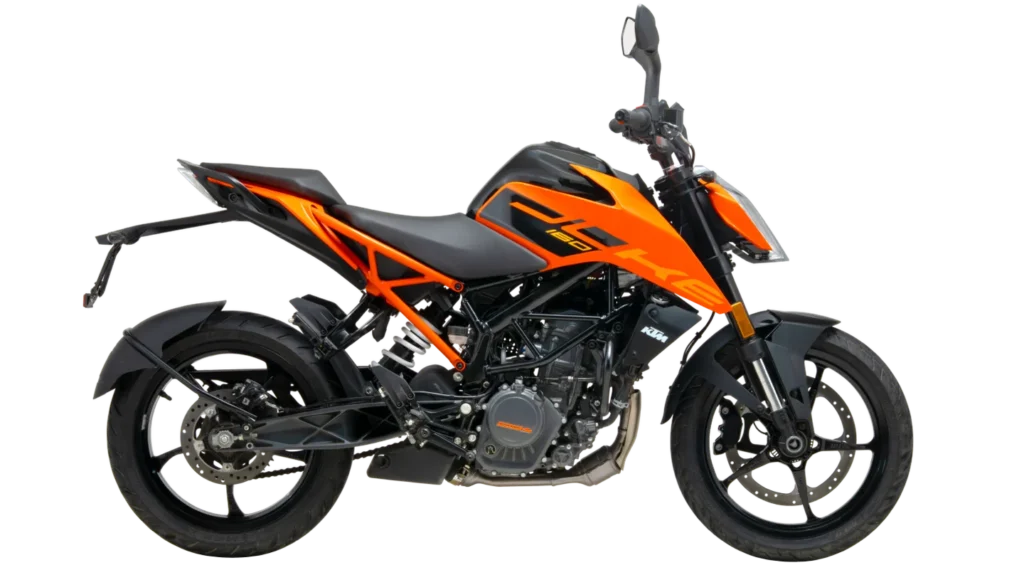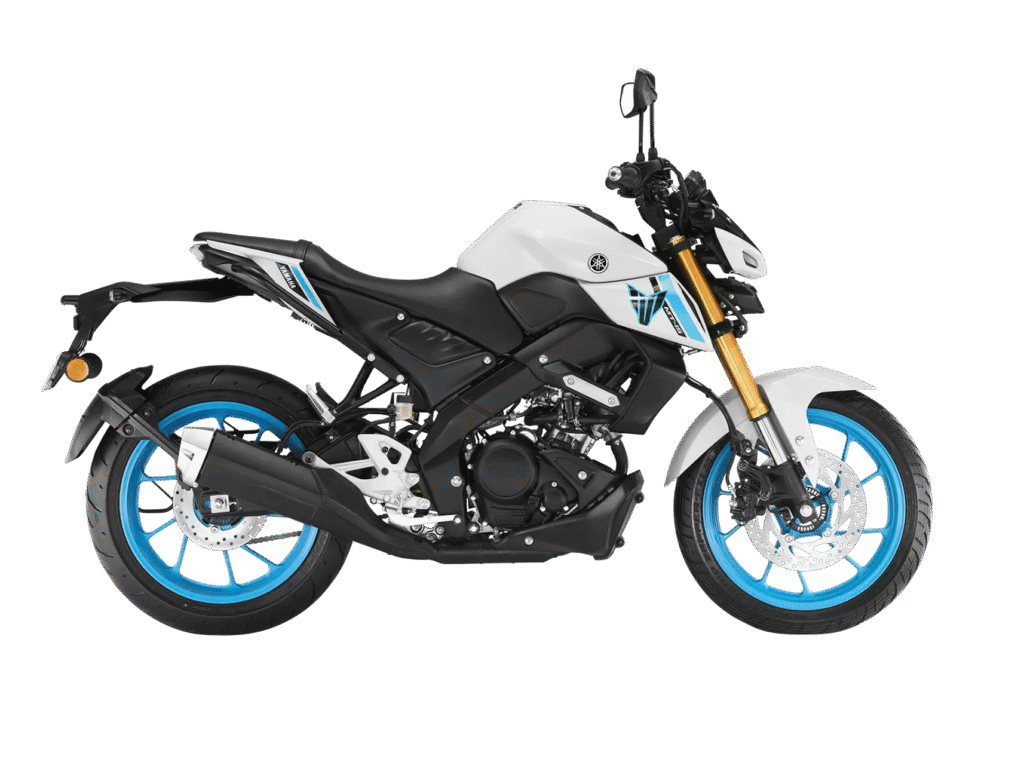

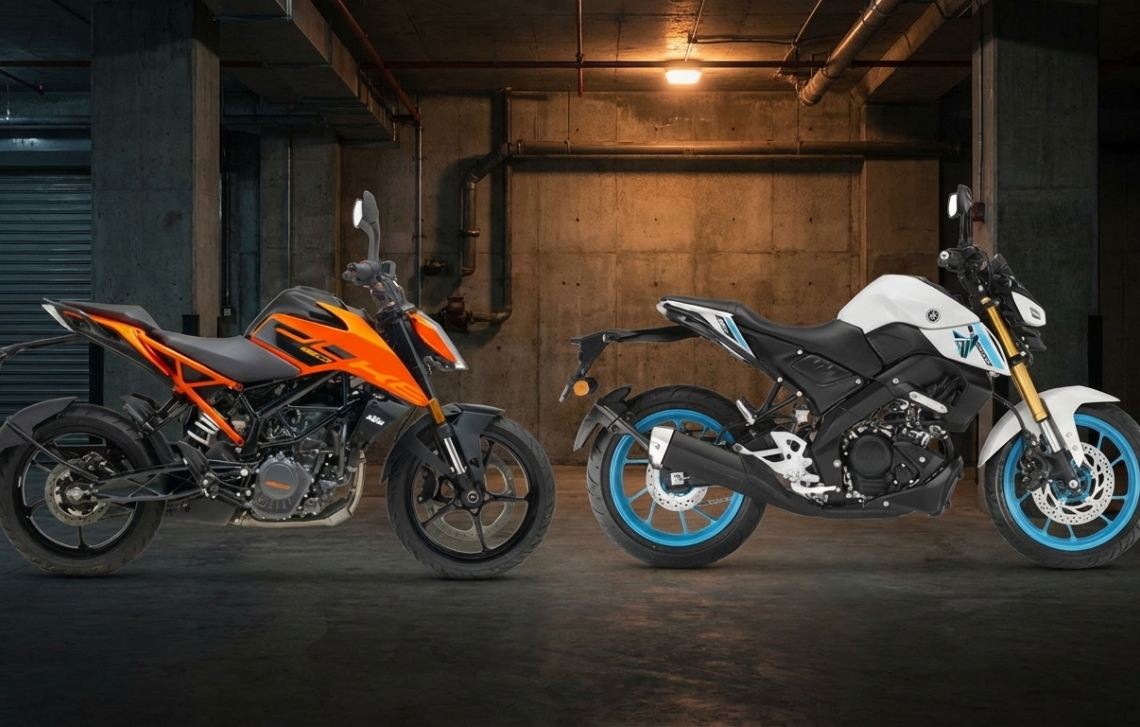
In India’s 150–160 cc streetfighter segment, the new KTM 160 Duke and the Yamaha MT-15 V2 are among the most exciting options for riders seeking performance, tech and everyday usability. Both motorcycles bring distinctive strengths to the table — but they differ in approach and focus. Here’s a detailed comparison of their specs, features, and key differences to help you pick the right bike.

Pricing & Positioning
- KTM 160 Duke – Launched in India at around ₹1.85 lakh (ex-showroom Delhi).
- Yamaha MT-15 V2 – Priced between ₹1.70 lakh and ₹1.81 lakh (ex-showroom), depending on variant and region.
While both bikes sit in a similar price bracket, the MT-15 V2 generally offers slightly more value-oriented pricing compared with the KTM’s more premium positioning.
Engine & Performance
The KTM 160 Duke is powered by a 164.2 cc liquid-cooled single-cylinder engine producing around 18.7 PS and 15.5 Nm of torque. In contrast, the Yamaha MT-15 V2 uses a 155 cc liquid-cooled engine with 18.4 PS and 14.1 Nm of torque. Both are paired with 6-speed gearboxes.
Although the Duke’s engine offers slightly higher peak figures, the MT-15 edges ahead on power-to-weight ratio due to its lighter kerb weight (~141 kg vs ~147 kg for the Duke).
Features & Tech
Display & Connectivity:
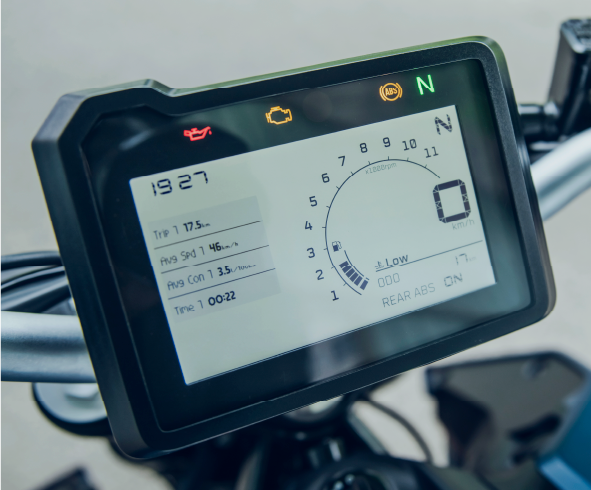
- KTM 160 Duke: Larger 5-inch LCD screen with Bluetooth connectivity, turn-by-turn navigation, music and call controls via the KTM Connect app.
- Yamaha MT-15 V2: Comes with a 4.2-inch TFT display (especially in the DLX variant) featuring Bluetooth via Y-Connect app, SMS + call alerts, ride analytics and last parked location.
Lighting & Safety:
Both motorcycles sport full LED lighting and dual-channel ABS as standard.
- The Duke adds a Supermoto ABS mode, letting riders switch off rear-wheel ABS for controlled slides.
- The Yamaha MT-15 V2 benefits from switchable traction control — a notable safety advantage for many riders.
Chassis & Handling:
The KTM 160 Duke uses a steel trellis frame with WP USD front forks and a mono-shock setup, giving a sportier, agility-oriented feel. Its 320 mm front disc and 230 mm rear disc provide strong braking performance.
The Yamaha MT-15 V2 rides on a Deltabox frame, paired with USD front forks and linked-type rear suspension. Its slightly lighter build makes it better at quick direction changes and nimble urban rides.
Verdict: What’s Better for You?
KTM 160 Duke:
- Best for riders who want sporty performance, aggressive looks and a feature-rich LCD display.
- Supermoto ABS is a bonus for fun, controlled drift riding.
Yamaha MT-15 V2:
- Ideal if you value refined electronics, traction control, and balanced tech features with slightly better value pricing.
- A more urban-friendly package thanks to lighter weight and engine usability.
Both motorcycles are excellent in their own right — the Duke leans toward thrill and aggression, while the MT-15 V2 balances tech, refinement and ease of use. Test rides on both are highly recommended to see which bike suits your riding style best.
Stay tuned to GaadiBuzz for more comparisons, expert reviews and buying guides in the Indian bike world!