
Mahindra & Mahindra isn’t standing still in 2026. While no entirely new SUV nameplates are confirmed this year, the Indian SUV giant has revealed that two of its most important models are set for major launches in the coming months. These refreshed and updated versions promise to keep Mahindra competitive in a crowded SUV market — and give buyers some compelling new choices.

Here’s a closer look at what’s coming from Mahindra in 2026.
1. Mahindra XUV 7XO (Next-Gen XUV700 Facelift) — Jan 5, 2026
The iconic XUV700 — one of Mahindra’s best-selling SUVs — is getting a significant mid-cycle refresh and reborn as the “XUV 7XO”. Its official global debut is slated for 5 January 2026, and bookings are expected to open in mid-December 2025.
What’s New?
- Updated design: The refreshed SUV sports a sharper front fascia with redesigned grille, revised headlamps, connected LED signature lights and updated bumpers.
- Triple-screen cockpit: Spy images and insider sources indicate a cutting-edge interior with a large digital instrument cluster, central infotainment display and a co-pilot display — a first for the SUV.
- Improved convenience: Expect Level 2 + ADAS safety tech, Harman Kardon sound system with Dolby Atmos, ventilated seats, and other premium touches.
- Engine options: Powertrain choices are likely to remain unchanged, with tried-and-tested 2.0-litre mStallion petrol and 2.2-litre mHawk diesel engines available in both manual and automatic configurations, ensuring the XUV 7XO retains its versatility and performance edge.
The XUV 7XO remains a key product for Mahindra — bridging mainstream appeal with premium SUV aspirations — and its January launch makes it one of the marquee SUV debuts of early 2026.
2. Mahindra Scorpio-N Facelift — Q1 2026
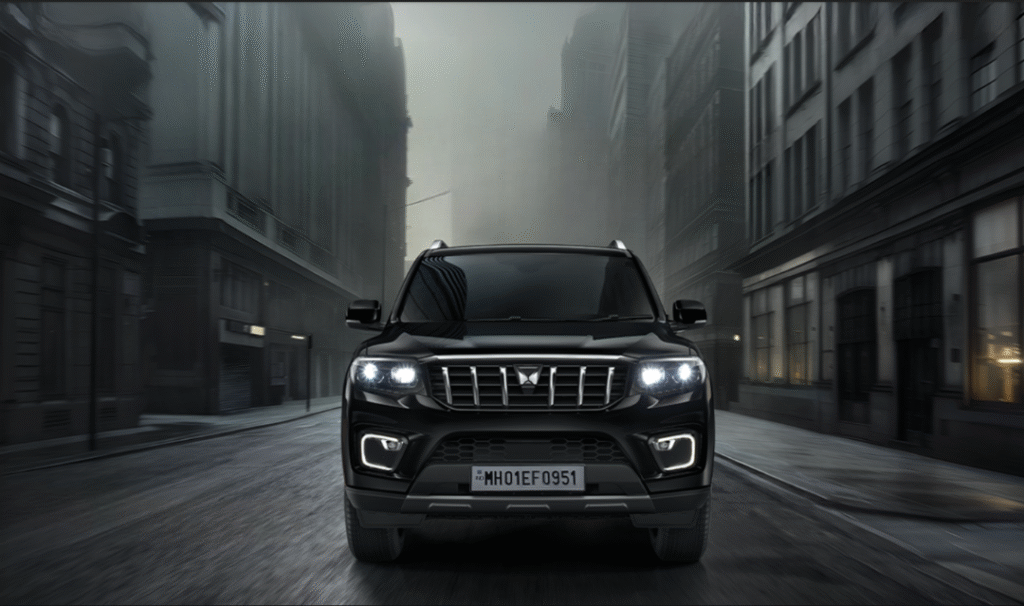
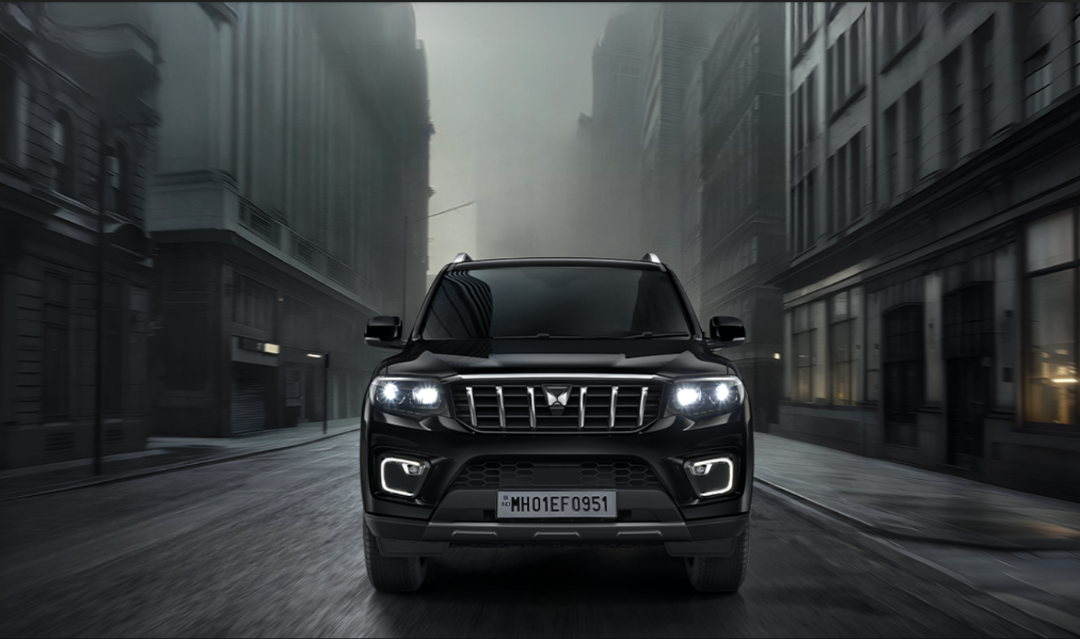
Not far behind is the Scorpio-N facelift, scheduled to arrive in India in early 2026 (first quarter). The Scorpio-N is Mahindra’s flagship ladder-frame SUV, known for rugged capability, strong road presence and family-friendly practicality — and the facelift aims to sharpen its appeal.
Key Highlights of the Facelift:
- Cosmetic updates: The revamped Scorpio-N will receive refined exterior details such as tweaked headlights, tail-lamps, trim elements and new wheel designs — all while retaining its bold SUV silhouette.
- Upgraded features: Inside, the Scorpio-N facelift is expected to get a larger 10.25-inch touch-screen infotainment unit (similar to what’s seen in the Thar Roxx), dual-zone climate control, a premium Sony audio system and enhanced comfort features.
- Same trusted engines: While the engines and drivetrain — a 2.0-litre turbo-petrol and a 2.2-litre diesel — should remain the same, the feature list and tech enhancements are expected to make the SUV feel more up-to-date and premium.
The Scorpio-N facelift brings a refreshed character to one of Mahindra’s most enduring SUVs, making it more competitive in the large SUV space against rivals like Tata Safari and Hyundai Alcazar.
What These Launches Mean
Both the XUV 7XO and the Scorpio-N facelift represent Mahindra’s strategy of strengthening existing nameplates with meaningful updates rather than introducing all-new models in 2026. This approach keeps development costs in check while still delivering fresh, competitive products in the SUV segment.
- XUV 7XO: Early 2026 (January 5 launch) with updated tech, interiors and exterior styling.
- Scorpio-N Facelift: Expected in the first quarter of 2026, with cosmetic and feature upgrades.
These launches should offer buyers more value, better technology and refreshed styling — all wrapped in two of India’s most popular SUV nameplates.
Final Word
For SUV enthusiasts and Mahindra loyalists, 2026 will be an exciting year. Rather than just incremental updates, the XUV 7XO and Scorpio-N facelift are poised to redefine what buyers expect from their next family SUV — blending modern features, premium touches and the rugged DNA Mahindra is known for.
Stay tuned to GaadiBuzz for detailed launch coverage, price reveals, first-drive impressions, and comparisons as these SUVs hit the Indian market in 2026.