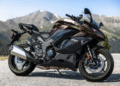


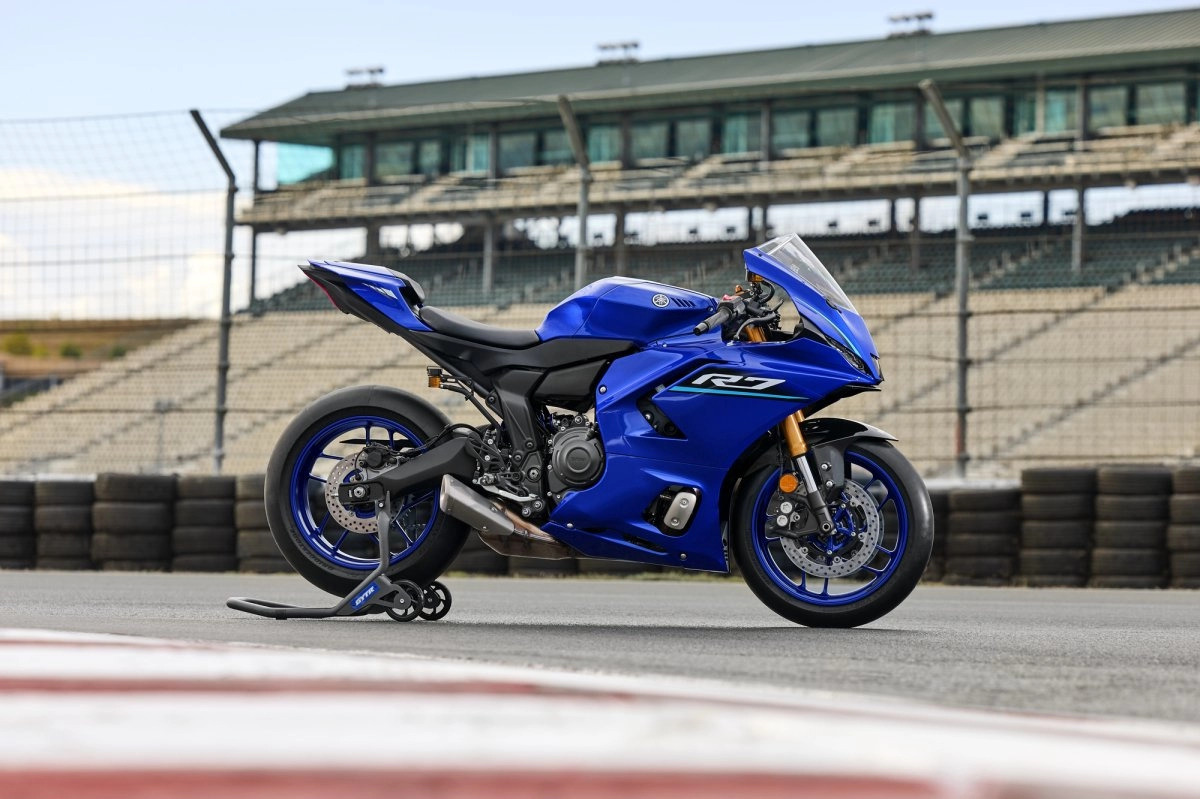
Yamaha has officially revealed the 2026 R7, marking a notable evolution in its middle‑weight sportbike offering. With upgrades in electronics, chassis and styling, this model moves beyond the previous version to deliver sharper ride dynamics and greater confidence for both road and track use.

Advanced Electronics & Rider Aids
One of the biggest step‑ups is the addition of a full 6‑axis IMU system, derived from Yamaha’s flagship R‑series. The R7 gains features such as traction control, slide control, wheelie control, engine‑brake management and launch control. Riders also get multiple riding modes — Sport, Street, Rain — plus two user‑custom modes and four track‑oriented modes via the Yamaha Ride Control (YRC) system.
The instrument cluster is upgraded to a 5‑inch TFT screen, providing better connectivity, read‑outs and graphics.
Engine: Proven Twin with Refined Execution
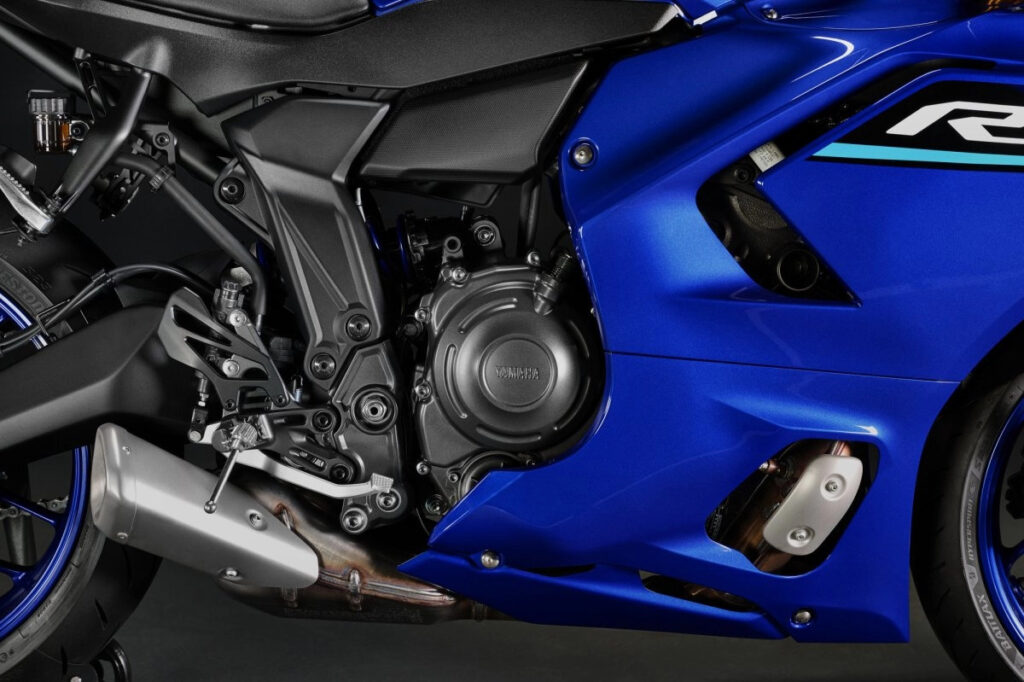
Under the fairing, the 2026 R7 retains the same 698 cc twin‑cylinder engine, producing 73.4 hp at 8,750 rpm and 68 Nm of torque at 6,500 rpm. While peak numbers remain unchanged, the update brings a third‑generation quickshifter system (both up & down shifts) and improved throttle mapping for smoother delivery.
Chassis‑ & Underpinning‑Upgrades
The chassis sees revisions — the steel tubular frame has been reinforced for improved torsional, longitudinal and lateral rigidity while retaining similar weight. The asymmetrical swingarm has been updated for better structural dynamics.
Yamaha has also introduced lighter spin‑forged wheels, reducing unsprung mass and aiding handling precision. Tyres are Bridgestone Battlax Hypersport S23. Ergonomically, the riding position has been tweaked to enhance rider movement and comfort.
Styling & Visual Identity
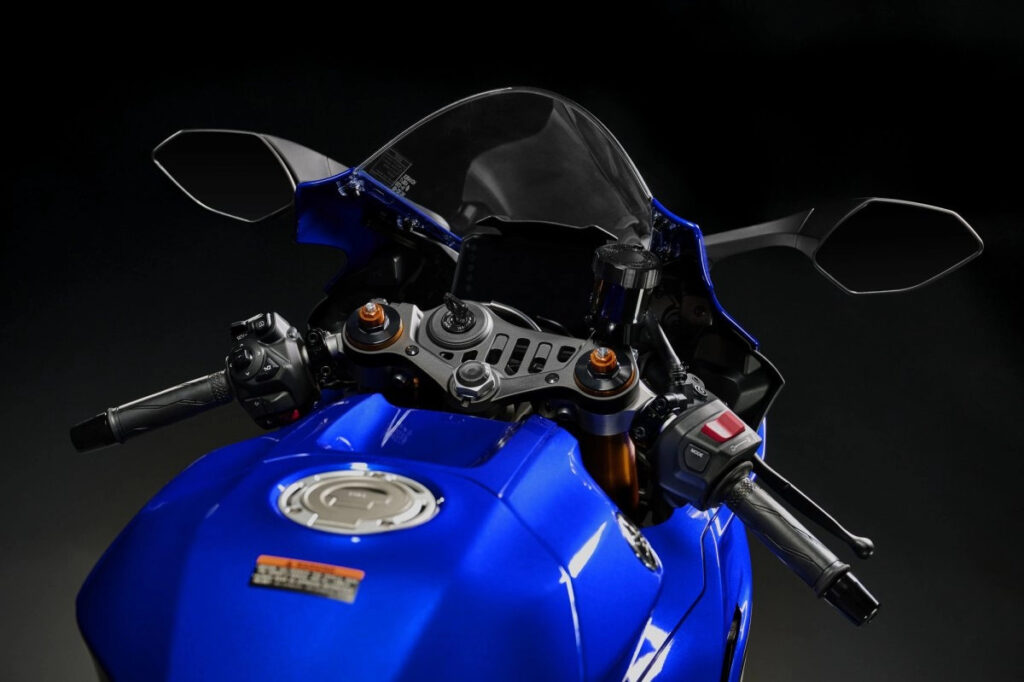
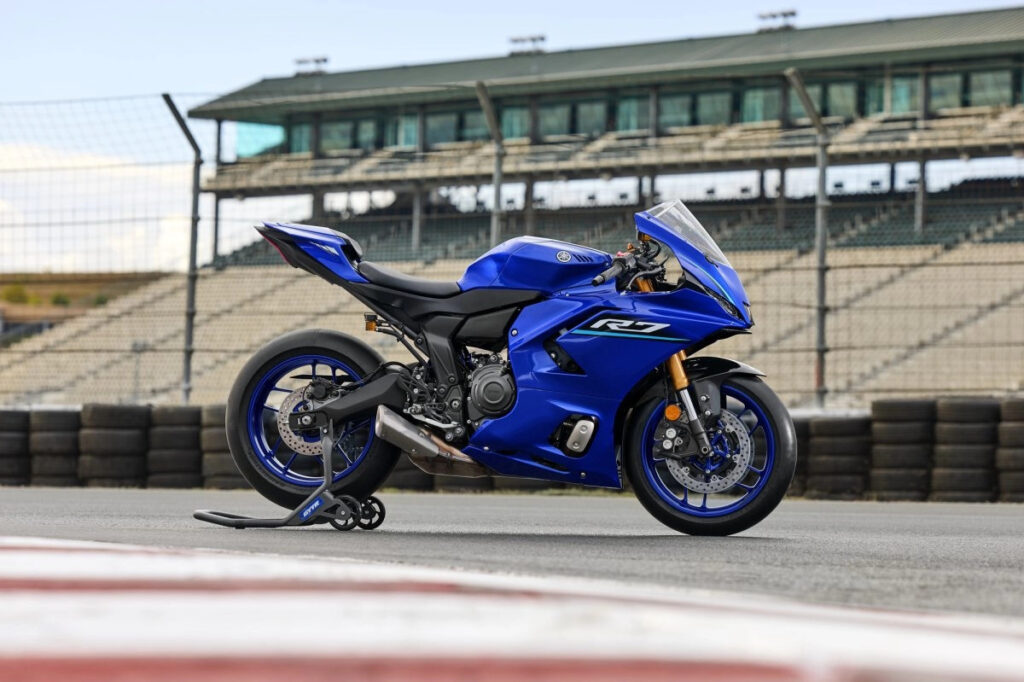
Visually the 2026 R7 remains recognisably R‑series but with subtle refinements: a sharper front nose, sleeker integration of LED indicators into the mirrors, and two new colour options including Breaker Cyan/Raven and a limited 70th Anniversary Red/White edition.
What It Means for Indian Riders
While Yamaha has not confirmed a firm Indian launch date or pricing for the 2026 model, reports suggest previous R7 versions were to be brought to India as a completely built unit (CBU). For Indian riders, the updated R7 offers a potent mix: middle‑weight performance, premium electronics and global‑spec build quality.
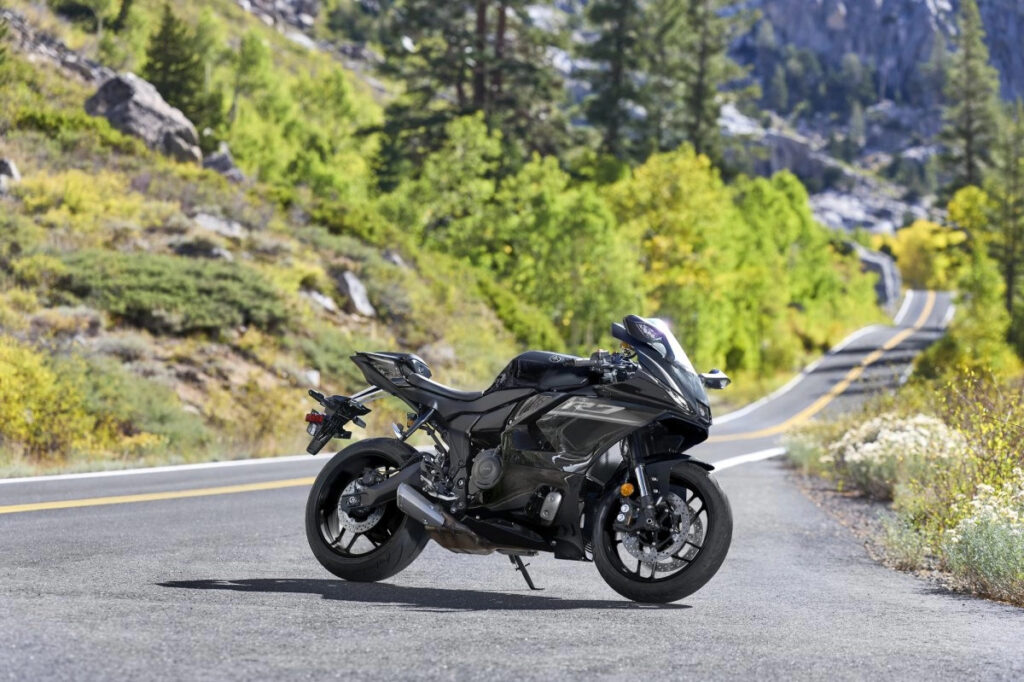
In its segment it will compete with bikes such as the Triumph Daytona 660 and Honda CBR650R, but its tech leap gives it a clear edge for enthusiasts.
Final Thoughts
For GaadiBuzz readers seeking a sportbike that balances track aspirations with road usability, the 2026 Yamaha R7 is a strong contender. It’s not just about more power—it’s about smarter performance, greater control and refined usability.
If you loved the previous R7 for its DNA and engine, this update gives you the same soul but upgraded hardware and electronics. Keep an eye on its Indian arrival—this bike could define its segment in the coming years.